ge · refrigerator · parts · warranty · updated 2026-11-09
GE Refrigerator Parts Diagram: Finding the Right Part Number
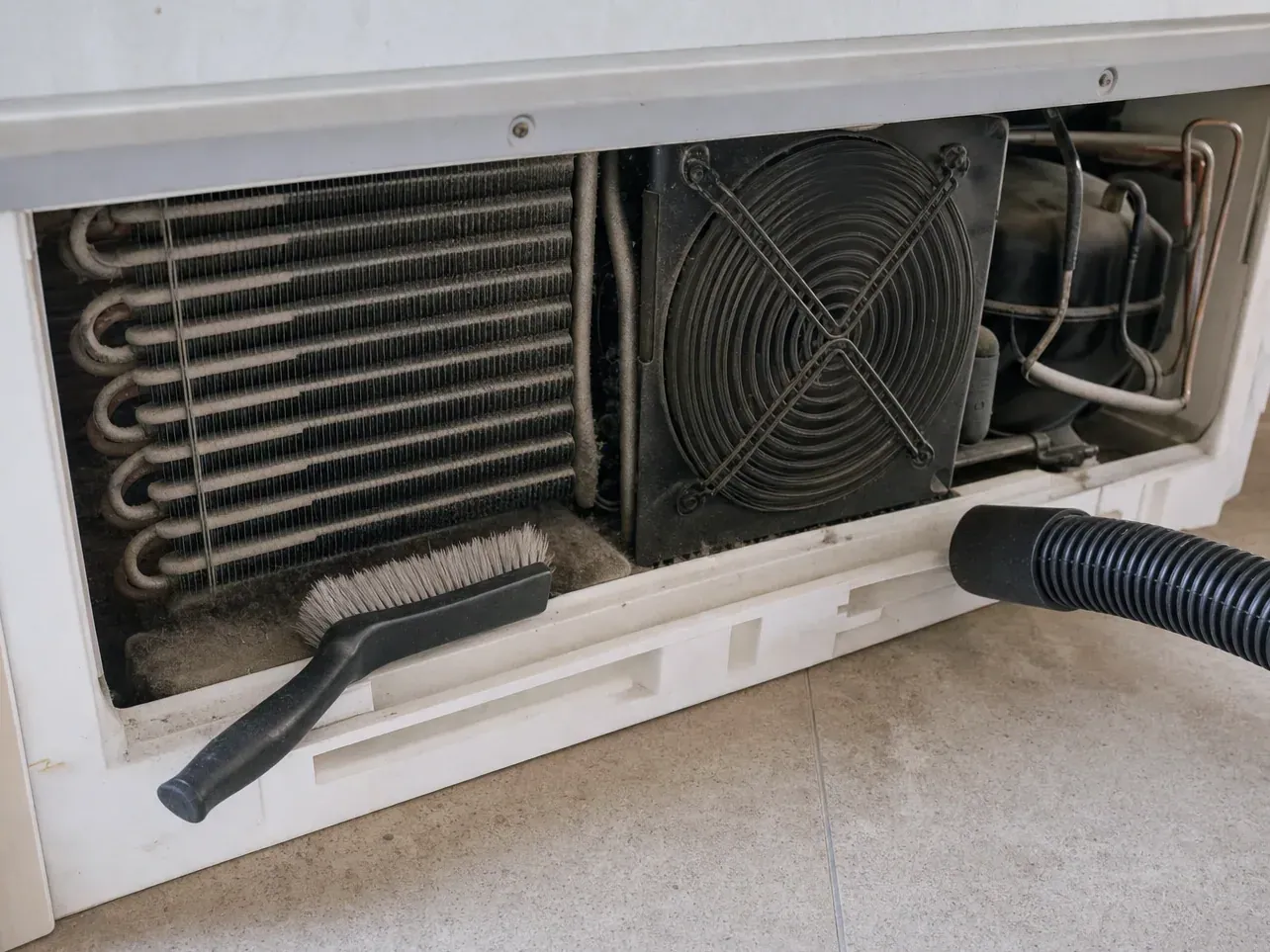
A GE refrigerator parts diagram is an exploded drawing made for one model number, so the first job is reading that number off the rating label rather than browsing pictures that look close enough. On the Café CVE and CXE bottom-freezer models, GE puts the model and serial label on the left side wall of the refrigerator compartment, roughly halfway down. Type the complete number into a parts lookup and the diagram opens split into assemblies, with every numbered callout tied to an orderable part number. Whether the fridge came with a condo in Mission Valley or a house in Clairemont, that label is the one record that always stays with the appliance, long after the manual has gone missing.
Read the model number before opening any diagram
Copy the full string, including the letters at the end, because the suffix often marks a color, a production run or a change in components. Note the serial number too. Some diagrams carry a remark that a part applies only to units built before or after a certain change, and the serial tells you which side of that line your refrigerator falls on. A phone photo of the label saves a second trip to the kitchen.
The opening letters narrow things down as well. Within the Café bottom-freezer line, a model beginning with CFE is a standard-depth cabinet, while one beginning with CYE or CWE is counter-depth. Gaskets, shelves, bins and trim are sized to the cabinet, so a piece that suits the deeper unit will usually refuse to fit the shallower one even though the two look alike from across the room.
How the exploded view is organized
Parts sites rarely show the whole refrigerator in one picture. They break it into assembly pages, and each page has its own set of numbered callouts. The number on the drawing is only a reference for that page; the part number you actually order sits in the list next to it. Typical pages include:
- cabinet and machine compartment: compressor area, condenser fan, drain pan and power cord
- fresh food and freezer sections: shelves, crispers, evaporator fan, sensors and the defrost heater
- doors: hinges, gaskets, handles and door bins
- ice and water: the inlet valve, tubing, dispenser parts, filter housing and ice maker
- controls: the main board, the user interface and the wiring harnesses
When a listing says a part has been superseded by a newer number, that is routine. Order the newer one, since the old number has usually stopped being stocked.
Genuine or aftermarket: where the choice really matters
For a cracked crisper drawer or a lost door bin, a well-made aftermarket copy can be a fair trade. The picture changes for electronics, sensors and anything in the sealed system, where a near match can introduce new faults or simply wear out early. Water filters sit in between, and GE has partly made the decision for you. Bottom-freezer refrigerators that take the RPWFE cartridge look for an ID chip, which a genuine filter carries visibly beneath its label, and a cartridge lacking that chip will not work. Those same refrigerators can show a Leak Detected message on the display, and fitting a new filter is the usual cure.
Where the filter lives depends on the model. On CFE, CYE and CWE units the RPWFE sits high on the left wall of the fresh food compartment, and it should come straight out without being twisted. CVE and CXE units take an XWFE cartridge, tucked into the left-hand refrigerator door behind a rectangular access panel. Both are rated for 170 gallons and are due every six months, or earlier if the dispenser starts to slow.
If you are comparing filters, read the NSF listing instead of the marketing. NSF/ANSI 42 deals with taste and odor claims such as chlorine, chloramine and particulates. NSF/ANSI 53 deals with health-related contaminants, lead and Cryptosporidium among the common ones. NSF/ANSI 401 covers trace contaminants like medications and pesticides. Much of San Diego's tap water is disinfected with chloramine rather than plain chlorine, so a filter that names chloramine in its NSF/ANSI 42 claims is the one aimed at that particular taste.
What warranty coverage usually depends on
GE's Café refrigerators carry a limited one-year warranty on parts and labor, a limited five-year warranty on the sealed refrigerating system that also includes labor, and thirty days on a water filter supplied with the refrigerator. The sealed system means the compressor, condenser, evaporator and the tubing that carries refrigerant between them, which explains the longer term: those are the expensive repairs.
Whether a claim is accepted generally comes down to a few plain points:
- proof of the purchase date, so hold on to the receipt or delivery paperwork
- a model and serial number that match the unit being serviced
- a defect in materials or workmanship, rather than damage, misuse or a poor installation
- who carries out the work, since in-warranty repairs are normally arranged through the manufacturer
Whirled Service is an independent service that is not affiliated with GE Appliances, so if your refrigerator is still in its first year, contact GE before buying anything. A part you order yourself during that period may be money you never needed to spend. Once coverage has run out, the diagram and the part number are yours to use as you see fit.
Let the display point you to the right page
A code on the dispenser display can tell you which assembly page to open before any guessing starts. GE Appliances lists these common ones:
- FF: frozen food may be thawing, so begin with the freezer section
- PF: the power was interrupted
- CI: check the icemaker, which sends you to the ice and water page
- dE: defrost has not run properly in 24 hours, pointing at the defrost heater, sensor and control
- CC: check the temperature controls
- tC and tF: TurboCool and TurboFreeze indicators rather than faults
Before you order, or before you pick up the phone
If the old filter is out and a replacement has not arrived, CVE and CXE owners can ask for the free bypass plug, part WR17X33825. Without either a filter or that plug, the dispenser and icemaker stay off. After fitting a fresh XWFE, run 2 gallons through the dispenser, about 5 minutes, to push the air out, then press the button beneath the Confirm Filter Change message.
A diagram shows what a part looks like, not whether it has failed. A warm fresh food section can trace back to a fan, a frosted coil, a sensor or a board, and buying all four is a costly way to learn which one it was. If you would like the fault found before anything is ordered, Whirled Service repairs refrigerators across San Diego, from Point Loma and Pacific Beach to Rancho Bernardo and Chula Vista. The visit starts with an $89 service call; ring (760) 330-4020 with the model number from that label close at hand.
What you can check yourself
- Photograph the model and serial label inside the fresh food section
- Write down any code on the display, such as dE or CI
- Check the water filter's age and look for the chip under its label
- Find the receipt so you know whether warranty coverage still applies
More guides